Wet Room vs Walk-In Shower: Which Is Right for Your Home?
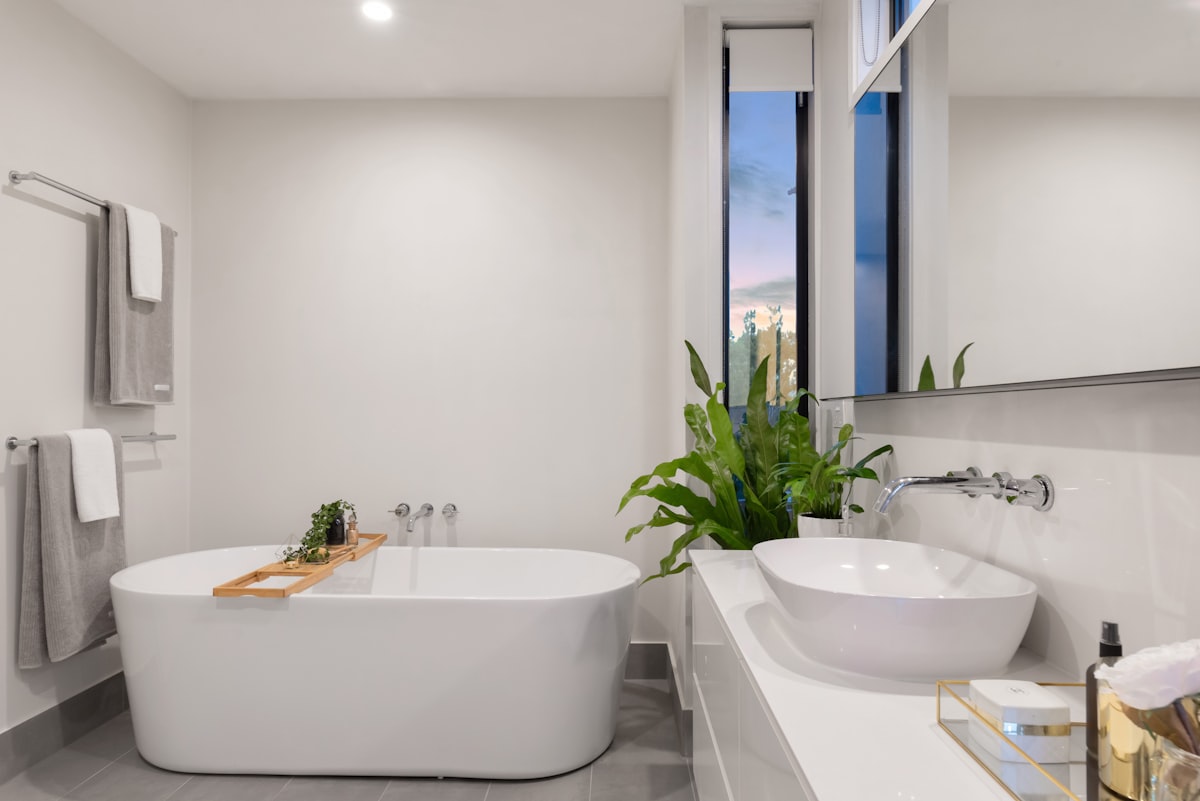
It’s one of the most common questions we hear from homeowners across Cheshire: should I go for a wet room or a walk-in shower? Both offer a step up from a traditional shower-over-bath setup, but they’re quite different in terms of cost, installation, and day-to-day living. Having installed both extensively — from modern apartments in South Manchester to period homes in Knutsford — here’s an honest comparison to help you decide.
What’s the Actual Difference?
The terms get used interchangeably, but they’re distinct. A walk-in shower is a defined shower area with a tray (either a low-profile acrylic tray or a tiled, sloped floor) and typically a glass screen or panel. The rest of the bathroom floor remains standard. A wet room takes things further: the entire bathroom floor is tanked (waterproofed) and gently sloped toward a drain, so the shower area has no tray, no step, and no hard boundary. You can still use a glass screen for splash control, but architecturally, the room is one continuous wet space.
The practical implication is significant. A walk-in shower waterproofs only the shower zone. A wet room waterproofs the whole floor — and often the lower portion of every wall — creating a fully sealed environment.
Cost Comparison
In Cheshire, a well-specified walk-in shower installation typically costs between £3,000 and £6,000, depending on the size, tile choice, and whether you’re working with an existing shower space or reconfiguring the layout. This includes a quality low-profile tray or tiled floor, frameless glass panel, thermostatic valve, and tiling.
A full wet room starts from around £6,000 and can reach £12,000 or more for a larger space with premium finishes. The higher cost reflects the additional waterproofing (tanking) required across the entire floor and up the walls, the gradient work needed for drainage, and the generally higher specification of materials that a wet room demands. Tanking alone — using a combination of membrane, tape, and liquid waterproofing — typically adds £800 to £1,500 to a project, depending on the room size.
The gap narrows if you’re already planning a full bathroom renovation. If the floor is coming up and everything is being retiled regardless, the incremental cost of upgrading from a walk-in shower to a full wet room becomes more manageable — often an additional £2,000 to £3,000 rather than the full difference.
Which Suits Your Property?
Walk-in showers work well when:
- You want a modern, accessible shower without a full bathroom overhaul
- The bathroom also contains a freestanding bath and you want to keep the floor dry around it
- You’re working with a timber suspended floor that would need significant reinforcement for wet room drainage
- Budget is a primary consideration
Wet rooms shine when:
- You’re converting a smaller space (a cloakroom, loft conversion, or compact en-suite) where every centimetre matters — removing a shower tray reclaims valuable floor area
- Accessibility is important — wet rooms are completely step-free, making them ideal for future-proofing or for family members with mobility needs
- You want a seamless, luxury aesthetic with large-format tiles flowing uninterrupted across the floor
- The room is on a concrete slab ground floor, where creating the necessary drainage fall is straightforward
Many of the properties we work on in Wilmslow and Altrincham are larger detached homes where the master en-suite is a natural candidate for a wet room, while secondary bathrooms work perfectly with a walk-in shower. It’s not always an either-or decision across the whole house.
Installation Considerations
The critical factor with wet rooms is getting the waterproofing right. A wet room that leaks is a serious problem — water damage to the ceiling below, to timber joists, and to adjacent rooms can be extensive and expensive to remedy. This is why wet room installation is emphatically not a DIY job.
For properties in Macclesfield and Stockport, where many homes have traditional timber first floors, a wet room on an upper storey requires careful structural assessment. The floor needs to support a screed layer that creates the drainage gradient, and the entire floor build-up (waterproof membrane, screed, adhesive, tile) adds both weight and height. In some cases, the floor may need lowering or reinforcing — your installer should assess this before quoting.
Ground-floor wet rooms on concrete slabs are more straightforward. The drain can usually be set directly into the slab, and the gradient formed with a self-levelling compound, making the installation cleaner and typically less expensive.
Walk-in showers, by contrast, are more forgiving structurally. A low-profile tray sits on the existing floor with minimal modification, and the waterproofing is contained to the immediate shower area. This makes them a practical upgrade for almost any property type.
Maintenance and Day-to-Day Living
Both options are relatively low-maintenance compared to a traditional bath-shower setup, but there are differences worth noting.
Wet rooms require the entire floor to be cleaned as a wet zone — water will reach areas beyond the shower screen, particularly the drain area. Using large-format porcelain tiles with minimal grout lines helps here, as there’s less grout to maintain. The drain also needs periodic cleaning to prevent blockages, just like any shower drain.
Walk-in showers contain water more effectively, particularly with a full-height glass panel. The rest of the bathroom floor stays dry, which simplifies cleaning and means you can use materials like engineered wood or luxury vinyl in the non-wet areas if you prefer.
One practical note: in a wet room, everything at floor level gets wet. This means wall-hung vanity units and toilets work better than floor-standing ones — both for aesthetics and for keeping water moving freely toward the drain. It’s a design consideration worth factoring in early.
Making the Right Choice
There’s no universally correct answer — it depends on your property, your space, your budget, and how you use the room. What we’d always recommend is having a proper site visit before committing either way. The structural makeup of your floor, the position of existing drainage, and the room dimensions all influence which option will work best and what it will realistically cost.
If you’re weighing up the options for your home anywhere in Cheshire, get in touch and we’ll come and take a look. We’ll give you an honest assessment of what’s feasible, what it’ll cost, and which approach will give you the best result for your specific situation. We work across Knutsford, Wilmslow, Altrincham, Macclesfield, Stockport, Congleton, South Manchester, and the wider area.
Our Services
Areas We Cover